
Choose the integration depth
Use UIKits for standard calling and live interfaces, or Core SDKs when your application needs its own interaction design.
 Tencent Cloud
Procure Tencent-native model, real-time audio/video and edge services. Corebyte coordinates resource selection, account arrangements and implementation scope.
Plan a Tencent Cloud purchaseTencent Cloud’s model service platform brings Tencent HY and supported third-party models into one supplier-managed service. Choose the model and capacity your application needs.
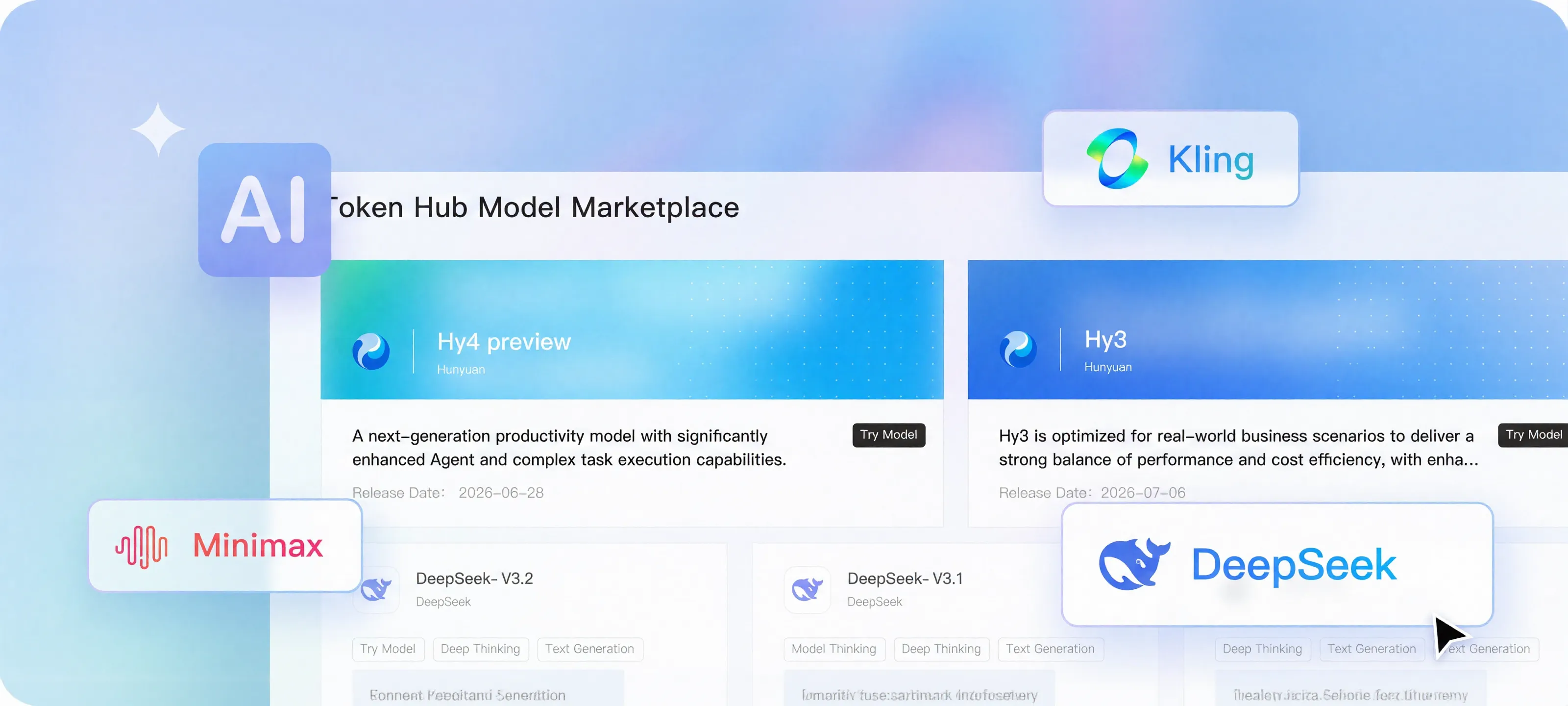
Model ID, service region, quota and metered usage are confirmed in the procurement scope.
Browse available modelsPut voice/video calls, conferences and interactive live sessions inside your application, using Tencent RTC SDKs and UIKits.
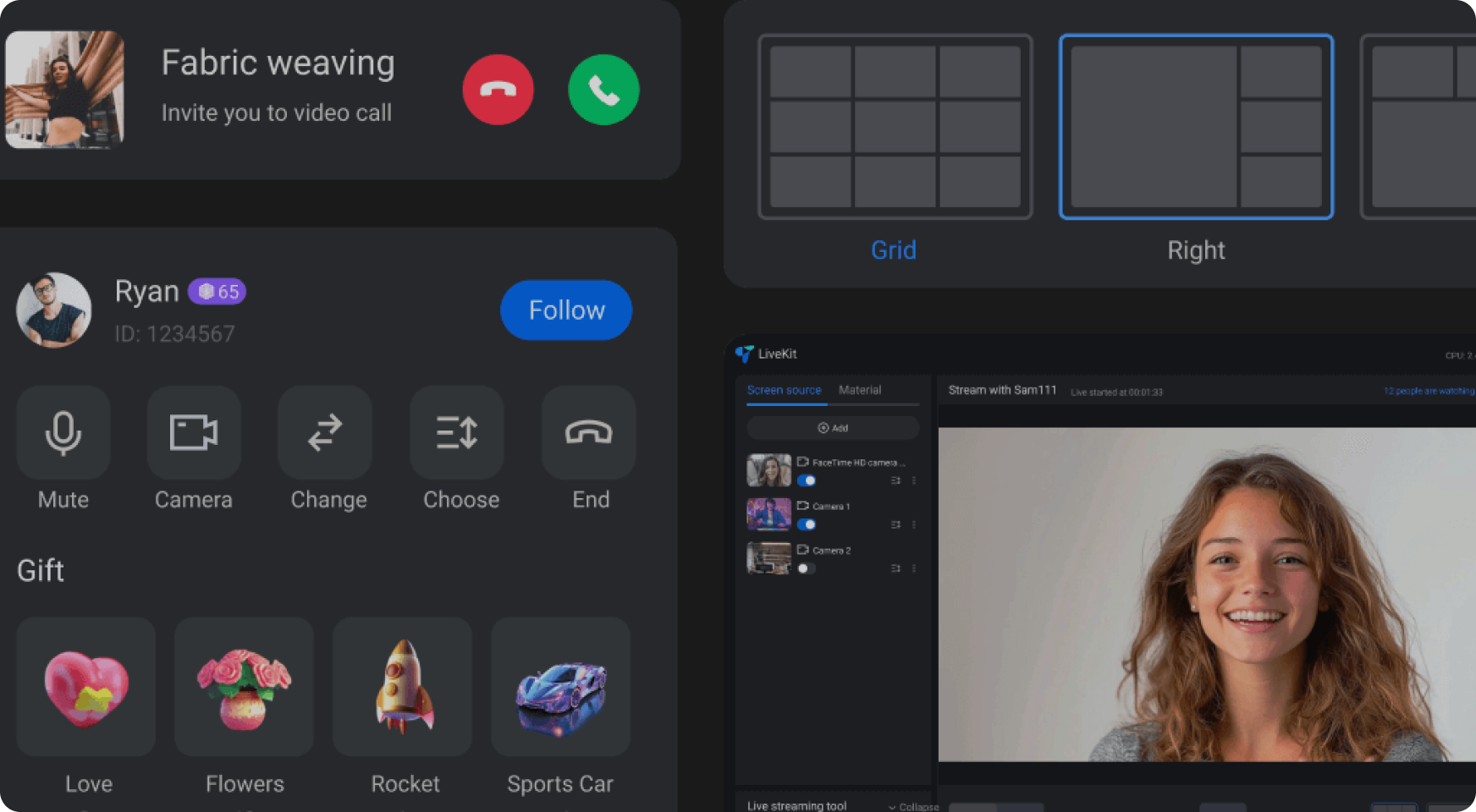
Use UIKits for standard calling and live interfaces, or Core SDKs when your application needs its own interaction design.
Match the real-time link, device platforms and weak-network needs; scope recording, transcoding and AI voice components separately.
Audio/video duration, recording and other services use their own billing rules. Chat MAU is a separate measure.
TRTC official product pageDeliver your sites and APIs through Tencent Cloud’s edge platform, combining acceleration, security policies and edge development around the same application.
Cache static assets and route dynamic requests to reduce unnecessary origin traffic.
Select WAF, DDoS and Bot controls by plan, then tune policies for the application’s real traffic.
Use request analysis and log delivery to review cache behaviour, origin access and security events. Edge functions support scoped logic close to users.
Confirm domains, origin locations, certificates, DNS permissions, cache rules, security scope and log retention before deployment.
EdgeOne official product pageA model request, a live session and a web request need different resources. Select a scenario to see the purchasing inputs.
Procurement & handover
Share the purchasing entity, actual usage countries, existing Tencent Cloud accounts, target regions, models and estimated resource or media usage.
Specify the supply route, account arrangement and separate model, infrastructure, media and service charges. Use a controlled test for model behaviour or real-time quality before launch.
Document resource identifiers, access controls, metering, billing ownership and failure handling. Support coverage, escalation responsibilities and change or exit work are agreed separately.
Match model access to the intended account, application and users.
Confirm the target model, version, required activation, identity verification and account-specific quota. A product page alone is not proof that a particular account can use every listed model.
Choose the documented endpoint and matching key for the agreed service. A Singapore entry point may route to a wider inference scope; confirm processing and data requirements separately.
Scope key management, application integration and usage reconciliation. Separate input, output and any other applicable metering categories, and test the agreed model before production use.
Plan application delivery and operating resources as part of the same project.
Evaluate RTC for interactive audio and video use cases. Define user locations, integration work, expected concurrency and media-quality acceptance requirements.
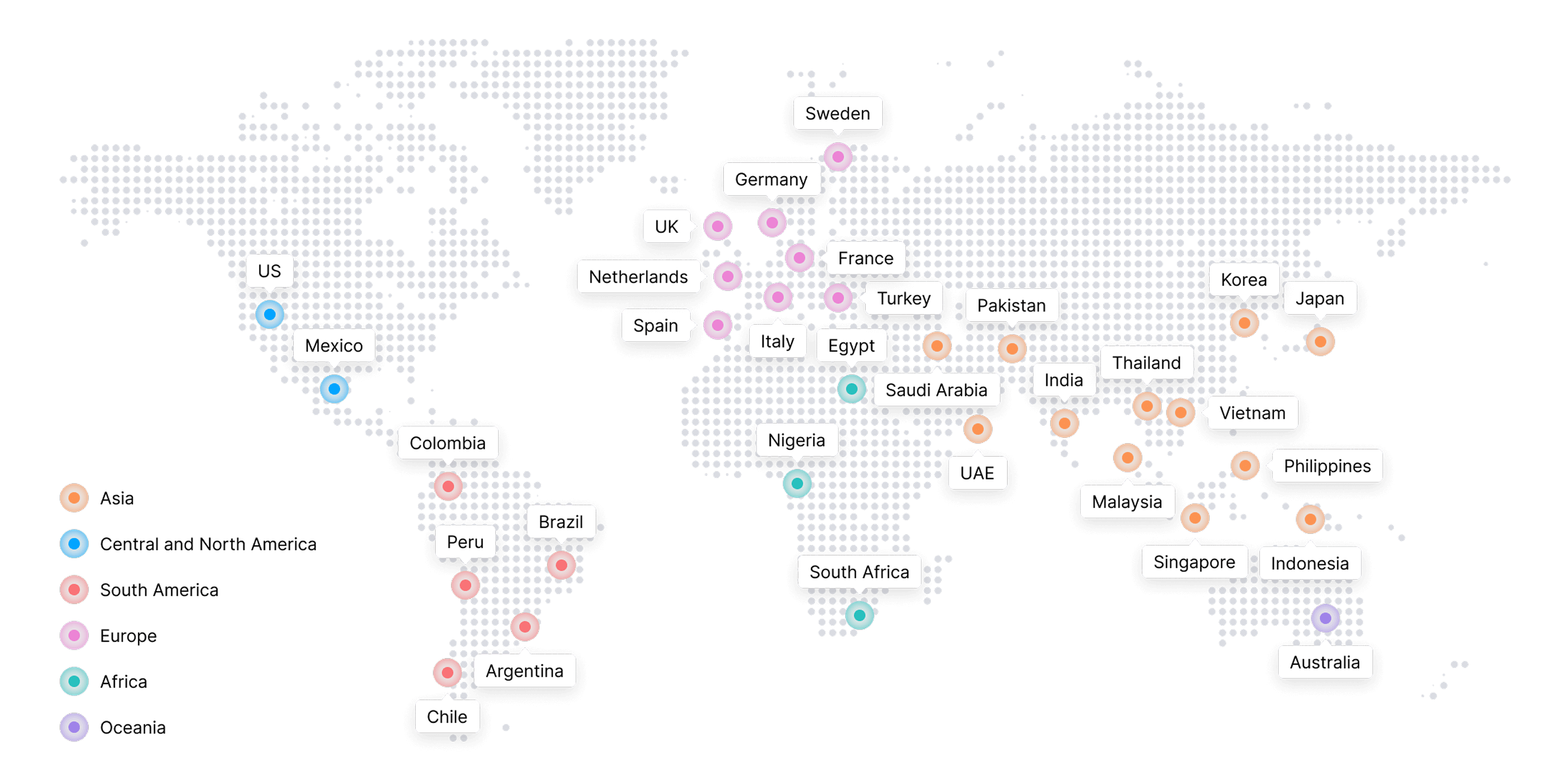
Assess edge application delivery and security services for the intended markets. Confirm the selected plan, domain arrangements and available features rather than assuming universal coverage.
Combine Cloud Virtual Machine, Cloud Object Storage and suitable database services around application workloads, data retention and backup. Include network and media-related charges in the estimate.
Keep business terms and technical access consistent from proposal to handover.
Share the purchasing entity, actual usage countries, existing Tencent Cloud accounts, target regions, models and estimated resource or media usage.
Specify the supply route, account arrangement and separate model, infrastructure, media and service charges. Use a controlled test for model behaviour or real-time quality before launch.
Document resource identifiers, access controls, metering, billing ownership and failure handling. Support coverage, escalation responsibilities and change or exit work are agreed separately.
Tencent Cloud channel services
Discuss Tencent Cloud procurement through our channel services. The contracting entity, supply route and applicable authorisation material are confirmed before ordering.
Confirm product availability, model activation, account eligibility, regional conditions and service responsibilities for the specific order.
Company and credential information ↗Bring Tencent Cloud infrastructure and model requirements into one procurement discussion, including the products, region and expected usage.
Tencent Cloud — compute, storage, networking and model services. These are examples of procurement options. Specific products, regions and delivery methods are confirmed in your proposal.
Browse the model catalogue for available channels. The exact model, version, region and delivery arrangement are confirmed in your proposal.
Tell us the products, region, expected usage and any existing cloud accounts. We confirm the resource scope, account arrangement and billing details before delivery.
Review our operating companies and published channel credentials. The qualified entity responsible for contracting and delivery is identified in the agreement.
Confirm product availability, model activation, account eligibility, regional conditions and service responsibilities for the specific order.
Official resources
Official resources · Tencent Cloud Architecture Icons
A product list, preferred region and estimated usage are enough to begin a conversation.
Discuss your requirements